
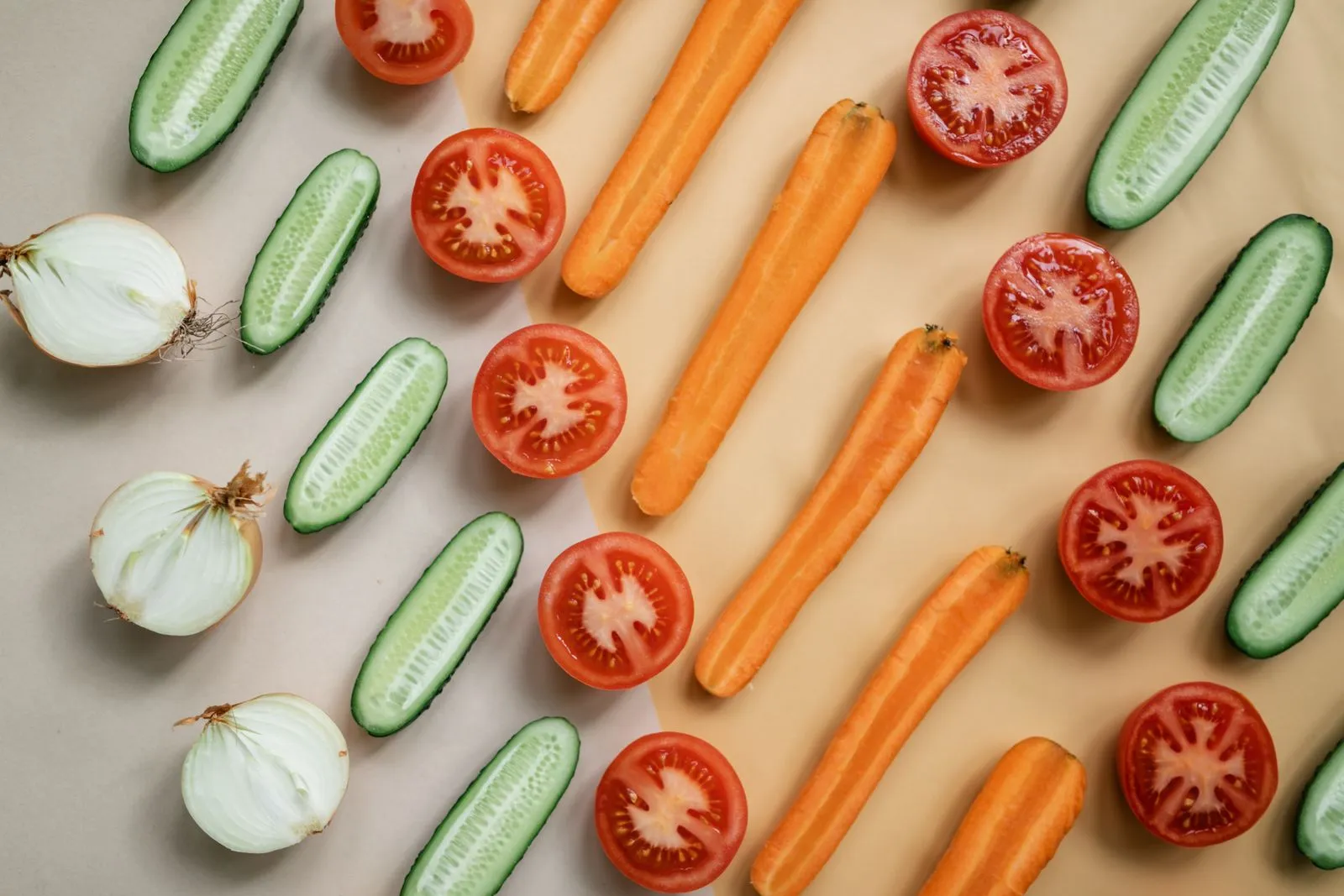
Seasonal vegetables can make everyday meals feel fresh without requiring complicated recipes. The easiest approach is to choose a few vegetables that look good, then use simple cooking methods that suit them. Roast sturdy vegetables for a hands-off dinner, add tender greens to soup or pasta, or build a salad around crisp produce. Availability changes with the season and local growing conditions, so treat these ideas as flexible starting points and substitute what you find.
Build a Sheet-Pan Dinner
Combine sturdy vegetables such as carrots, potatoes, squash, onions, or cauliflower on a sheet pan. Cut them into similar-sized pieces so they cook at roughly the same pace. Toss with oil, salt, pepper, and a seasoning you enjoy, then roast until browned and tender. Add quick-cooking vegetables, such as sliced zucchini, partway through so they do not overcook.
Make the pan a complete meal by adding chickpeas, tofu, or a protein of your choice. Serve everything over rice, grains, or greens, and finish with a squeeze of lemon or a simple yogurt sauce. Keep a few roasted vegetables for lunch the next day; they work well in wraps, bowls, or alongside eggs.
Make a Flexible Vegetable Soup
Start with chopped onion, celery, or another aromatic vegetable and cook it gently in a pot with a little oil. Add firmer vegetables, broth, and seasonings, then simmer until nearly tender. Stir in faster-cooking options such as peas, leafy greens, or chopped zucchini near the end. Beans, lentils, or leftover grains can make the soup more filling.
There is no need to follow a strict vegetable list. Use what needs cooking, adjusting the order based on how long each vegetable takes to soften. Blend part or all of the soup for a smoother texture, or leave it chunky. Taste before serving and brighten the pot with lemon juice, vinegar, herbs, or a little grated cheese.
Put Together a Seasonal Salad
Build a salad with a mix of textures: tender leaves, crisp vegetables, and something hearty such as cooked grains or beans. Depending on what is available, try shaved cabbage, sliced radishes, chopped cucumbers, roasted beets, or fresh tomatoes. A small amount of fruit, toasted nuts, or seeds can add contrast without making the salad complicated.
Keep the dressing simple: whisk oil with vinegar or lemon juice, a little mustard, salt, and pepper. Dress sturdy vegetables a few minutes before serving so they can soften slightly; add delicate greens just before eating. If you have leftovers, store the dressing separately to help keep the vegetables crisp.
Turn Vegetables Into Quick Sides
A quick sauté is useful for tender vegetables such as greens, mushrooms, snap peas, or sliced summer squash. Heat a pan, add a little oil, and cook the vegetables until just tender. Season with garlic, herbs, or a splash of vinegar. For crisp vegetables such as broccoli or green beans, steam them briefly, then finish with olive oil and a pinch of salt.
You can also use vegetables as simple toppings. Grate carrots or cabbage into tacos, fold wilted greens into pasta, or add chopped vegetables to an omelet. Match the cooking time to the texture: cook dense pieces longer, and add delicate leaves near the end. These small additions make it easier to use a whole bunch or bag before it goes to waste.
Start with one vegetable you want to use and choose a method that fits: roast it, simmer it, sauté it, or serve it raw. Add a grain, beans, eggs, or another favorite to make the meal satisfying. For seasonal inspiration, browse the produce at Hamilton Harvest and build dinner around what looks fresh.